The Oura Ring Lawsuit: Why Wearables Fail at Sleep Stages
I woke up to a flurry of frantic text messages this morning. A consumer protection class-action lawsuit had just been slapped onto Oura Health, alleging that the company misled millions of health-conscious customers about the accuracy of its sleep stage tracking. The legal complaint contends that marketing claims regarding clinical precision don't hold up when compared against actual hospital diagnostic tools.
My reaction? I was not surprised in the slightest.
I have worn an Oura Ring every single night for over five years. I wore the chunky Gen 2, upgraded to the Gen 3 Heritage, and currently wear the Horizon. At Modern Vitality Lab, we test physiological tracking gear constantly. I respect the hardware engineering that went into packing infrared sensors and thermistors into an eight-gram titanium circle. Yet for half a decade, I have warned my private clients and readers alike: if you are waking up, squinting at your phone screen, and obsessing over whether you logged 42 minutes versus 84 minutes of rapid eye movement (REM) sleep, you bought into an algorithmic illusion.
The lawsuit claims Oura deceived consumers into paying premium prices—alongside an ongoing monthly subscription fee—for diagnostic-grade sleep staging that consumer sensors simply cannot deliver. Let's be blunt. The plaintiffs have hit on an inconvenient physiological reality that wearable marketing departments have spent billions trying to sweep under the rug.
The Core Lie: Inferring Brainwaves From Digital Arteries
To understand why any consumer ring, band, or wrist-worn tracker struggles with sleep stages, you have to understand neurophysiology. Sleep stages are not defined by how still your hand is. They are not defined by how slowly your heart beats.
In sleep medicine, sleep stages are defined by electrical oscillations generated by cortical neurons in your brain. That is it.
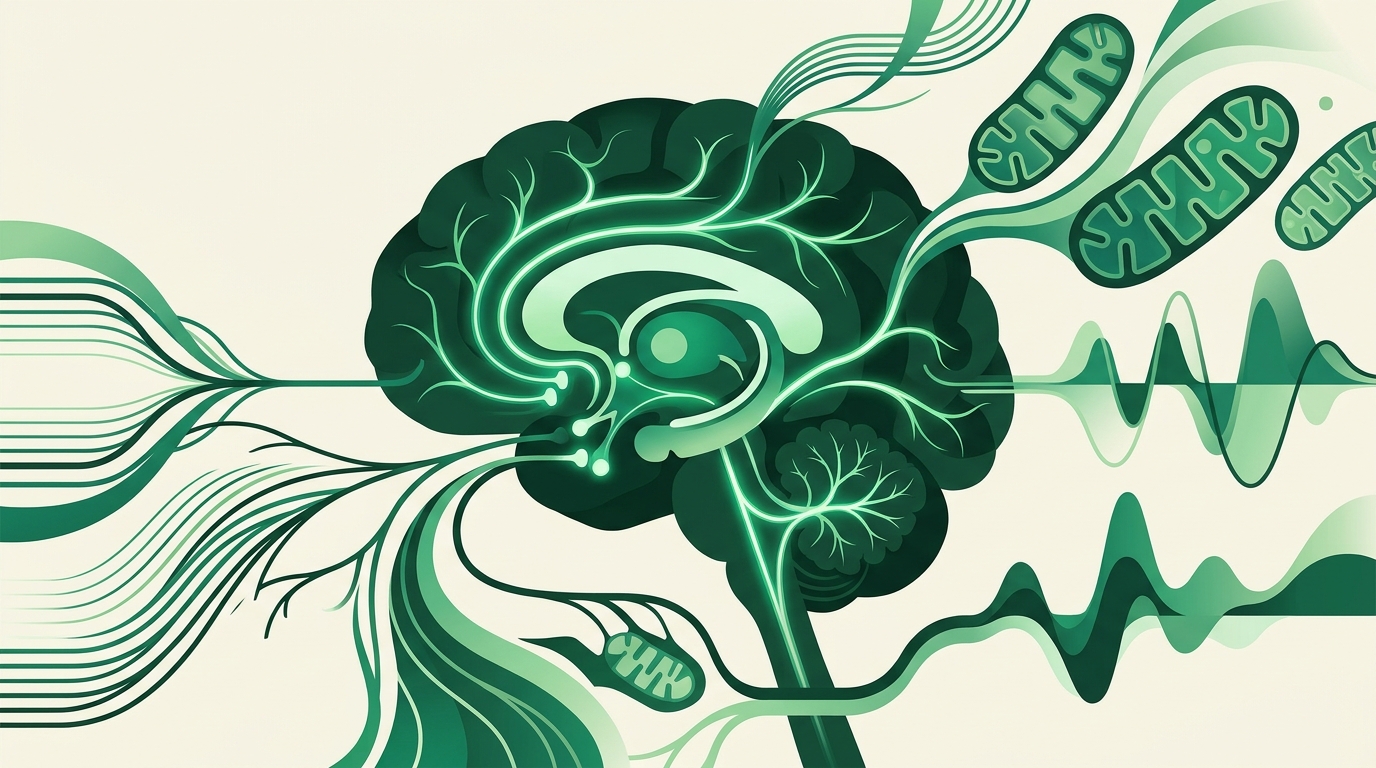
When a physician runs a polysomnography (PSG) test in an accredited sleep laboratory, they glue physical electrodes directly to your scalp. This is an electroencephalogram (EEG). It records the microvolt electrical fluctuations of your cerebral cortex. The technician monitors several distinct biological channels simultaneously:
- Scalp EEG leads: Capturing the shift from high-frequency, low-amplitude alpha and beta waves during wakefulness down into synchronized theta waves (4 to 7 Hz) in Stage 1 and Stage 2 sleep, sleep spindles, K-complexes, and eventually deep, high-amplitude delta waves (0.5 to 2 Hz) during Stage 3 Slow Wave Sleep (SWS).
- Electrooculography (EOG): Measuring the electrical potential changes generated by the rapid, jerky movements of your retinas during REM sleep.
- Submental Electromyography (EMG): Measuring muscle tone under the chin. This is mandatory for identifying REM sleep because your body enters somatic motor paralysis (atonia) via glycine and GABA inhibition of spinal motor neurons, preventing you from physically acting out dreams.
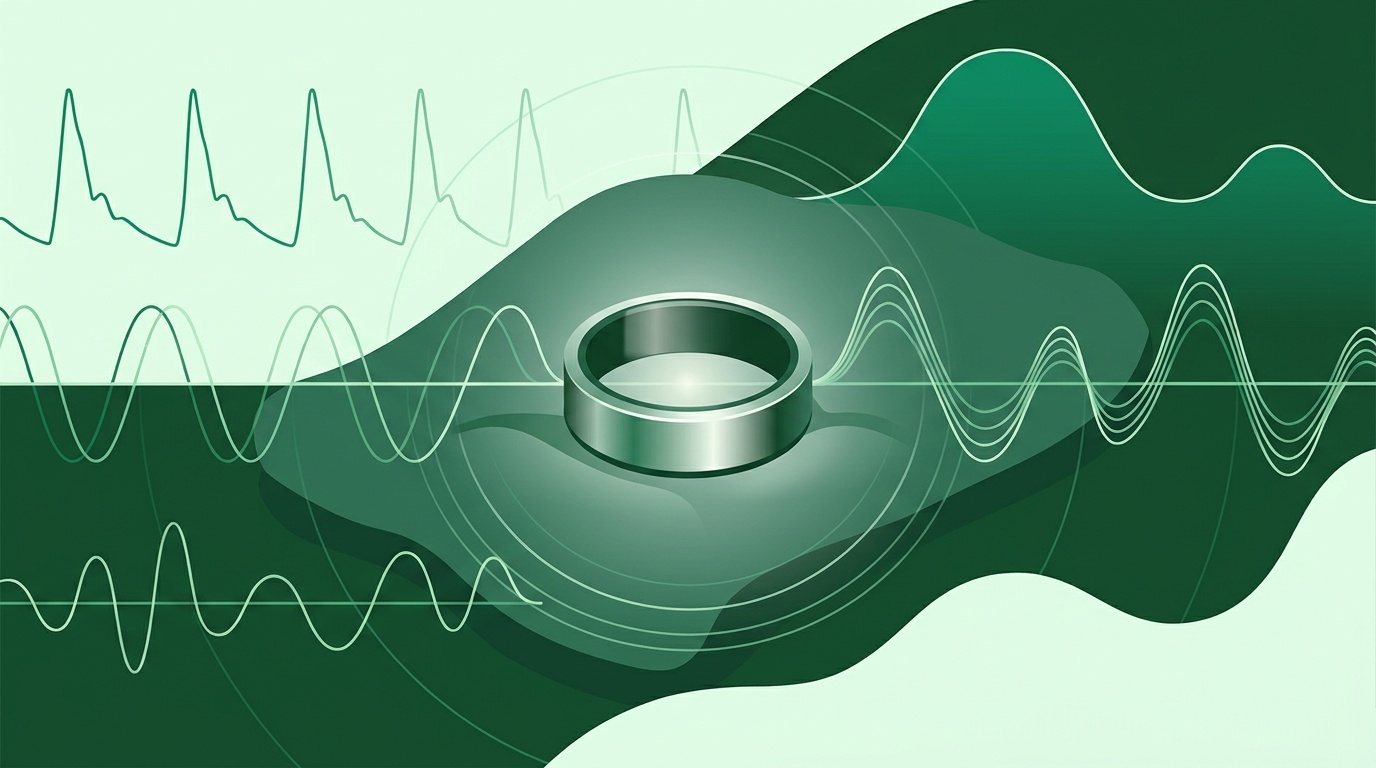
Now, take a look at what sits inside your smart ring. You have miniature photoplethysmography (PPG) sensors bouncing infrared, red, and green light off the arterioles in your finger to detect vascular blood volume changes. You have a negative temperature coefficient (NTC) thermistor reading surface skin temperature. Finally, you have a 3D accelerometer measuring physical movement.
Notice what is missing? Electrodes on your skull.
A ring does not measure your brain. It cannot read a sleep spindle. It has zero idea if your motor neurons are experiencing true glycine-mediated muscle atonia. Instead, it takes vascular tone, peripheral pulse rate, movement, and temperature, passes them through proprietary machine learning models, and makes an educated mathematical guess about what your thalamus and cortex are doing hundreds of miles away from your finger. Inferring cortical delta waves from vascular dilation is an extraordinary leap. That leap frequently lands in the mud.
What Independent Validation Studies Actually Reveal
Wearable companies love publishing whitepapers highlighting 80% to 90% accuracy. If you read the fine print in independent peer-reviewed literature—such as comprehensive validation trials published in Sleep Medicine Reviews and the Journal of Clinical Sleep Medicine—the data tells a far more sobering story.
Consumer wearables, including Oura, perform reasonably well at binary two-stage sleep detection: distinguishing gross wakefulness from gross sleep. If you are asleep versus awake, the device detects it with approximately 90% to 95% sensitivity. That sounds impressive until you realize that almost any cheap motion sensor can tell if you have stopped moving for eight hours.
When independent researchers test four-stage sleep classification—splitting the night into Wake, Light (N1/N2), Deep (N3/SWS), and REM—accuracy plummets. Agreement rates between consumer wearables and medical-grade PSG routinely hover between 60% and 75%. In several sub-populations, deep sleep detection concordance drops even lower.
The math does not lie. A 65% agreement rate means that for every three sleep stage assignments your ring provides, one of them is mathematically incorrect. That is scarcely better than an educated coin flip.
Here are the two major failure modes I observe consistently:
- The Stillness Trap (False Sleep Scoring): If you wake up at 3:30 AM with racing thoughts, but you practice disciplined non-sleep deep rest (NSDR), lie completely still, and regulate your breathing, your heart rate drops. The ring's algorithm looks at the absence of movement and the low pulse rate, immediately categorizing that hour of conscious wakefulness as light or deep sleep. You spent an hour awake; the app tells you that you slept like a baby.
- The REM vs. Wake Confound: During REM sleep, your autonomic nervous system experiences phasic sympathetic bursts. Your heart rate fluctuates wildly, your breathing turns erratic, and heart rate variability swings. To a finger sensor that cannot check for submental muscle paralysis, those erratic vascular signals look suspiciously like wakefulness or restless light sleep.
Orthosomnia: How Flawed Data Is Ruining Your Biology
This lawsuit is not merely about consumer fraud or refunding fifty-dollar subscription charges. It exposes a clinical issue that I have battled in longevity circles for years: Orthosomnia.
Coined in 2017 by researchers at Rush University Medical Center and the Feinberg School of Medicine at Northwestern University, orthosomnia describes the perfectionistic preoccupation with achieving pristine sleep tracking data. The irony is brutal. The very tool people purchase to optimize their recovery generates chronic, low-grade sympathetic anxiety that directly disrupts their sleep architecture.
I see this psychological pathology weekly. A health-conscious professional wakes up feeling rested, clear-headed, and energized. They step out of bed, pick up their phone, open their wearable app, and stare at a gloomy Readiness Score of 61 stamped with a warning: "Suboptimal Deep Sleep: 22 Minutes."
Instantly, their neurochemistry shifts. Cortisol rises. The mind starts manufacturing phantom sluggishness. They convince themselves they are fatigued. They consume an extra 200 milligrams of caffeine, spiking their adenosine backlog and guaranteeing another fragmented night. This is the nocebo effect in full display, triggered by an algorithm that guessed wrong about an arterial pulse.
We publish our investigative protocols independently on Dev Dominion because we believe longevity enthusiasts must separate real physiological biology from gamified software metrics. Trusting your personal interoception—how your joints feel, your mental sharpness upon waking, your natural energy trajectory across the morning—is vastly superior to outsourcing your perceived wellness to a commercial ring.
What Oura Is Actually Phenomenal At (Don't Throw It Away)
Does this lawsuit mean you should toss your Oura Ring into the nearest electronic waste bin? No. Absolutely not.
I still wear mine every single night. The mistake was never the hardware; the mistake was the marketing department pretending this device is a personal neurodiagnostic laboratory. When you strip away the flawed sleep stage pie charts, the raw biometric sensors on the Oura ring offer exceptional physiological utility.
Here are the four metrics you should actually track, because the sensor can measure them directly without algorithmic hallucination:
1. Overnight Resting Heart Rate (RHR) Nadir and Timing
Your finger contains a dense vascular bed, making optical pulse tracking during motionless sleep exceptionally accurate. Do not look at your average sleep heart rate. Look at your nadir—the absolute lowest resting heart rate of the night—and note exactly what time it occurs.
If your heart rate hits its lowest point in the first half of the night (between 1:00 AM and 3:00 AM for an 11:00 PM bedtime), your cardiovascular system completed its physical restoration early. If your nadir does not drop until 6:00 AM right before your alarm, something actively burdened your autonomic nervous system. It usually traces back to late-night ethanol consumption, heavy meals eaten within three hours of bed, or an oncoming systemic illness.
2. Heart Rate Variability (HRV) Trends via rMSSD
Oura measures the root mean square of successive differences between normal heartbeats (rMSSD) sampled across the night. While absolute single-night numbers are meaningless across different individuals due to genetic baseline variations, tracking your personal 14-day rolling average provides a clean reflection of your parasympathetic tone.
When my overnight rMSSD drops 25% below my baseline for two consecutive nights, I do not need a machine learning algorithm to tell me what to do. I cut back on heavy central nervous system loading in the gym, skip high-intensity interval training, prioritize Zone 2 cardio, and eliminate evening work stressors.
3. Basal Body Temperature Deviations
Because peripheral blood flow shifts dynamically in response to systemic inflammatory signaling and immune activation, the ring's temperature thermistors provide incredible advance warning. A sustained elevation of +0.7°F to +1.5°F above your baseline almost invariably signals an incubating viral pathogen 24 to 48 hours before physical symptoms like sore throat or chills manifest. For women, it offers an exact readout of ovulation and the onset of the progesterone-dominant luteal phase.
4. Circadian Regularity and Sleep Midpoint
Your master circadian clock located in the suprachiasmatic nucleus (SCN) craves temporal stability. The ring tracks your sleep onset and wake consistency with surgical precision. Keeping your sleep midpoint within a 30-minute window seven days a week does more for your metabolic health, insulin sensitivity, and natural growth hormone pulsatility than any sleep supplement on the market.
The Modern Vitality Lab Protocol: Real Sleep Optimization
If you want genuine restorative slow-wave sleep and prolonged REM cycles, stop staring at your ring's stage percentages. Execute physiological inputs that force your nervous system into restorative states. Here is the exact clinical protocol we prescribe:
1. The Thermal Cascade Protocol
Your core body temperature must drop by roughly 2 to 3 degrees Fahrenheit to initiate sleep and sustain slow-wave sleep. To accelerate this drop, take a 10-minute hot shower or soak in a hot bath (104°F / 40°C) approximately 90 minutes before your target bedtime.
This sounds counterintuitive, but it relies on basic thermodynamics. The hot water dilates the peripheral vascular network in your hands and feet (vasodilation), pulling blood away from your internal organs. When you step out of the bath into a cool room, your body dumps internal heat through your extremities, crashing your core body temperature rapidly. Keep your bedroom environment between 65°F and 67°F (18°C to 19°C) with breathable natural bedding.
2. The Three-Hour Splanchnic Clearance Window
Finish your last calorie at least three full hours before your head hits the pillow. When you consume macronutrients—especially fats and carbohydrates—close to bedtime, your gastrointestinal tract requires active splanchnic blood flow for peristalsis and nutrient absorption.
This digestive work keeps your sympathetic tone elevated, drives up your core body temperature, raises your resting heart rate by 8 to 12 beats per minute, and delays your nocturnal heart rate nadir. If you want maximum deep sleep, let your stomach be completely empty when you lay down.
3. Photonic Retinal Signaling
Circadian timing is governed by retinal photoreceptors known as intrinsically photosensitive retinal ganglion cells (ipRGCs), which express the photopigment melanopsin. They respond primarily to 480nm blue light.
- Morning anchor: View 10,000 to 50,000 lux of direct outdoor sunlight within 30 minutes of waking for 10 to 15 minutes. This triggers an immediate cortisol peak, suppresses residual melatonin, and starts a biological countdown timer for evening sleepiness.
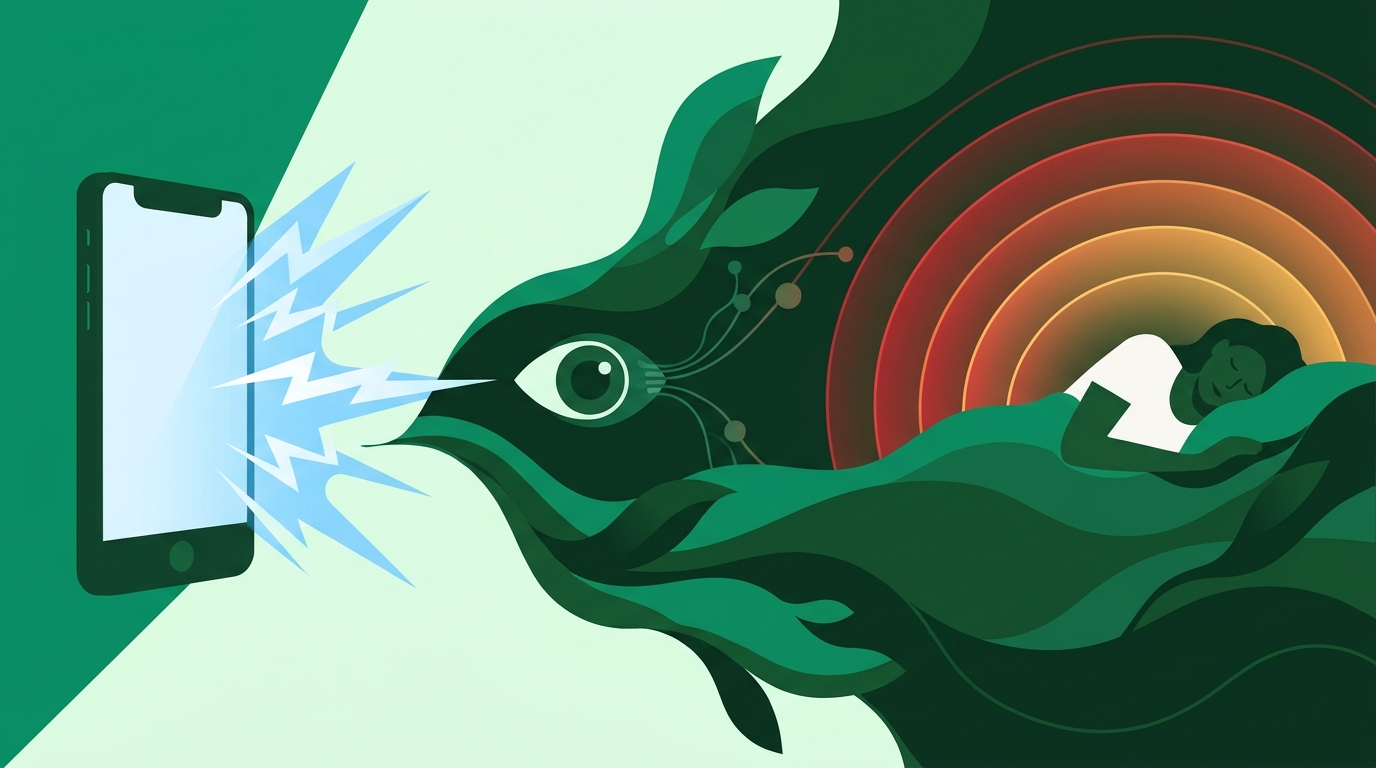
- Evening anchor: When the sun sets, eliminate high-overhead LED fixtures. Shift all indoor illumination below eye level using warm, dim lamps (2700K or lower). Put your digital displays on night shift mode or wear amber lenses two hours before sleep.
4. The Morning Biological Check-In
Implement this rule tomorrow: do not look at your wearable app for the first 60 minutes after waking. Get out of bed, hydrate with filtered water and sea salt, step outside into the sun, and ask yourself three questions:
- Did I wake up spontaneously without feeling dragged out of a coma?
- Are my cognitive faculties clear and alert within 30 minutes?
- Does my body feel recovered from yesterday's physical exertion?
If the answers are yes, you had a successful night of sleep. If you open your wearable app later and see a low deep sleep score, ignore it completely. Trust your evolutionary biology over a machine learning model's statistical guess.
The Verdict: An Industry-Wide Wakeup Call
This class-action lawsuit against Oura will not be the last. Whoop, Apple, Garmin, and Samsung will all face similar scrutiny because every single one of them relies on the same core physiological proxy: trying to deduce brainwaves from wrist and finger capillaries.
It is time for consumer health tech companies to drop the pseudoscientific marketing claims. Stop telling consumers you can map their sleep cycles down to the second. Be honest about what your sensors actually measure: heart rate dynamics, temperature fluctuations, and movement.
Wearables are valuable mirrors for lifestyle trends. They make brilliant accountability tools. But the moment you start worshiping their speculative sleep stages, you trade your intuitive physiological awareness for algorithmic anxiety. Use the data as a directional compass—never as an infallible diagnosis.